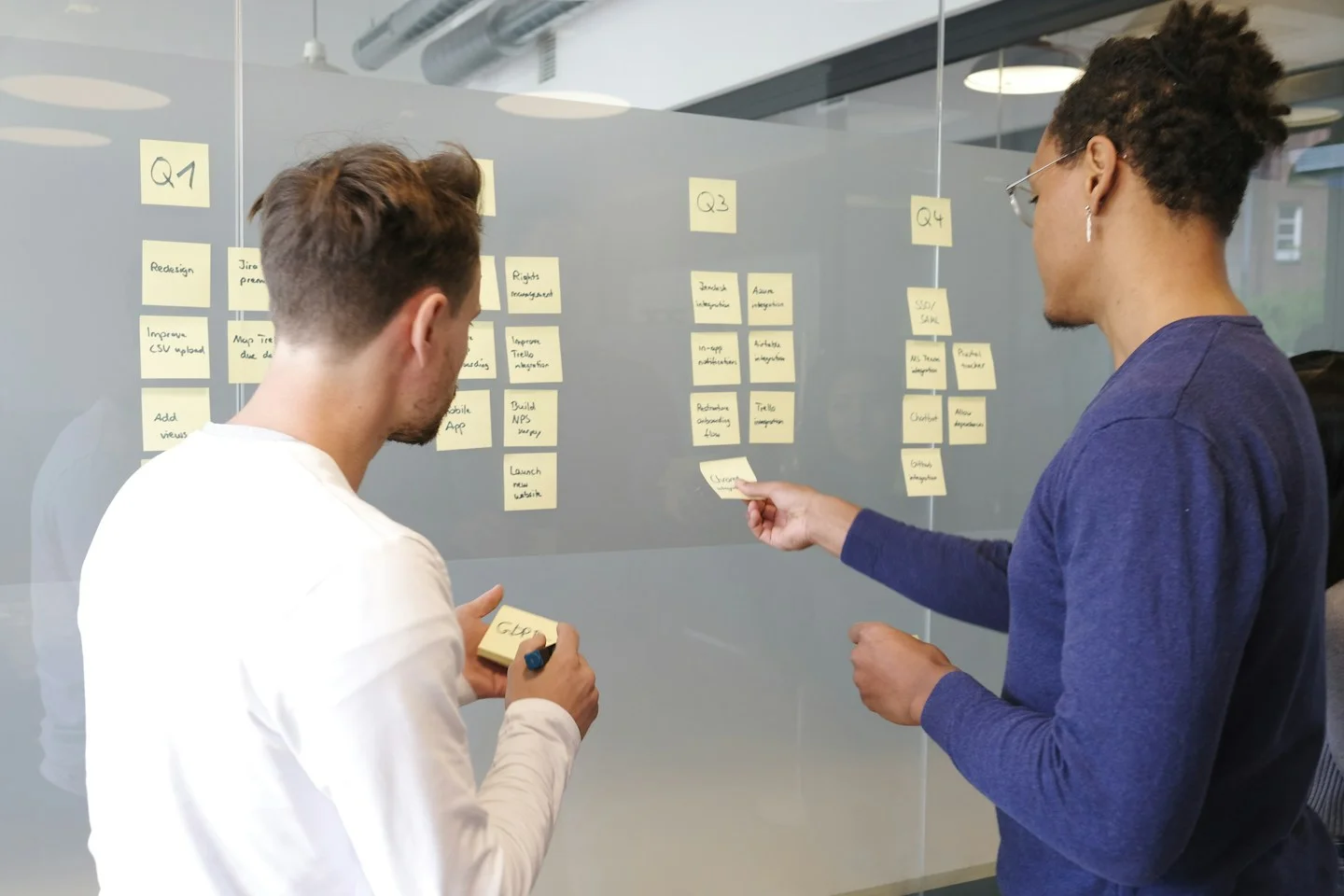
Prioritize bugs and features by deciding first whether the problem needs an immediate response. Handle urgent failures through your incident process. Then compare routine fixes and new capabilities against the same product goal, considering the consequence of waiting, the evidence behind the request and the full cost of delivery.
A bug that prevents an existing customer from completing their work can deserve attention before a popular feature. A minor defect with a usable workaround can wait while the team delivers a capability customers need. The difficult part is making that judgment explicit enough that engineering, product and support can act on it together.
Decide what cannot wait for the planning meeting
Define which failures should interrupt planned work before one arrives. An outage, ongoing data corruption or unexpected access to another customer's information needs prompt assessment through the appropriate incident or security process. A backlog vote is not a prerequisite for that response.
Separate the immediate response from the permanent repair. Stopping a harmful operation or restoring service may be possible before the team has a complete fix. Confirm what the temporary measure protects, what remains affected and who owns the next update.
For example, if a booking service confirms two appointments for the same slot, the first question is how to stop more conflicting confirmations. A later code fix also needs a plan for the appointments already affected. Restoring correct behavior for new bookings does not resolve those earlier conflicts.
The booking scenarios in this article are fictional examples, not reports from Productroad customers.
Establish the expected behavior
For each reported bug, record what the person tried to do, what should have happened and what actually happened. Include the relevant version or environment and the steps needed to reproduce it. If the expected behavior is disputed, check the current product behavior, documentation and commitments before assigning a label.
A booking form that accepts an occupied slot violates the service's expected behavior. A request to see every staff member's week on one screen adds a new capability. An unclear date-picker label may need design work even when the code behaves as written.
These distinctions help the team investigate and test the work. They do not decide its place in the schedule. Keep the original feedback and its source attached; our feature request template covers the customer context, while the engineering record can hold reproduction details.
Compare the consequences of waiting
Atlassian distinguishes severity from priority: severity describes impact, while priority concerns urgency and the order of response. Use that distinction when a serious problem with a temporary mitigation competes with another deadline.
For work that can enter normal planning, answer these questions for both the fix and the feature:
- What customer task improves, and who currently cannot complete it?
- What happens if this waits until the next planning cycle?
- Is there a workable alternative, and what does using it cost the customer?
- What evidence supports the expected benefit? Which important assumption is still untested?
- What will implementation, testing, rollout and any repair of existing data require?
Use the same time horizon for the comparison. A bug's observed effect this week and a feature's hoped-for benefit over several years are not comparable estimates.
Ask affected users about the workaround. "They can do it manually" may mean a few extra clicks, or it may mean someone has to reconcile records every evening. Record that difference before treating the workaround as acceptable.
A planning example for a booking product
Suppose the team's current goal is to help coordinators plan staffing for the coming week. It has three items to consider.
Conflicting confirmations
The team has reproduced a defect that allows two customers to book the same available slot. Existing bookings can therefore conflict. This enters the immediate response process: prevent further conflicts, identify affected appointments and assign their resolution. The team records what feature work is paused to make room for that response.
Filters reset after opening an appointment
Returning from an appointment clears the coordinator's staff and date filters. The person can restore them, and appointment data remains correct. The defect creates repeated work, but the confirmed behavior allows ordinary scheduling to continue.
A shared weekly availability view
In observed planning sessions, coordinators copy individual staff schedules into a spreadsheet because the current product cannot show the week across the team. A proposed shared view would let them compare availability in one place. Its demand is supported by those observations, although the proposed design still needs validation.
Once the conflicting-booking problem is contained and remaining incident work is accounted for, compare the other two items. Assume engineering has reviewed both and estimates similar total delivery effort. With weekly staffing as the agreed goal, the team could choose the shared view first and keep the filter defect assigned for a later review.
That choice depends on the stated conditions. If investigation shows that resetting filters makes coordinators edit the wrong appointment, the bug has a different consequence and needs reassessment. If the shared view depends on unavailable scheduling data, its estimate and readiness also change. Record those conditions beside the decision.
Set capacity from the work the team actually sees
A fixed split such as "20% bugs, 80% features" can be a planning assumption, but it cannot settle the priority of a particular failure. Review recent interruption work, recurring defects and the maintenance needed to keep the product usable. Reserve capacity accordingly and revisit it when the workload changes.
Keep routine fixes owned and visible even when a feature wins the current comparison. Give deferred items a review point and a reason to reconsider sooner, such as a failing workaround or newly confirmed impact. Otherwise, "later" can become an indefinite delay with no accountable decision.
For uncertain work, the next commitment can be a bounded investigation: reproduce the filter problem, check which flows share the same code, or test a sketch of the weekly view. Name the question that investigation must answer before allocating delivery time. Our prioritization guide describes how to compare candidates once that evidence is available.
Include recovery and regression checks in the estimate
A fix is ready when the affected workflow works and the team has checked the nearby behavior it could disturb. For the booking defect, that includes creating an appointment, rescheduling it, cancelling it and handling competing attempts to claim a slot.
Use the original failing scenario as a regression check. Confirm that existing valid bookings remain accessible. If earlier data needs repair, identify the affected records, preserve their history and verify the repair separately from the code change. Include that work in the delivery estimate and ownership.
The feature needs checks too. A weekly view should show the same availability as the existing booking flow, respect the same access rules and handle changes made elsewhere. A successful demo with an empty calendar is insufficient evidence for those cases.
Explain the tradeoff to customers
When urgent work changes the plan, update the people waiting for the displaced feature. A useful message states what changed and what the team is doing, without guessing a replacement date.
For the fictional booking example, once the temporary measure is in place:
We have paused work on the weekly availability view while we address conflicting bookings. A temporary measure is preventing new conflicts, and we are checking the appointments already affected. We will update this request when we can confirm the next step for the weekly view.
Use your incident communication channel for time-sensitive service updates. A product roadmap can explain the changed delivery direction. Keep customer reports and discussion together on feedback boards, and use a changelog entry after release to explain the behavior that changed.
Return to the original task after people have used the result. Can coordinators make bookings without conflicts? Does the weekly view let them plan staffing without rebuilding the spreadsheet? Those checks tell the team whether the selected work delivered the improvement it prioritized.
Productroad helps you collect user feedback, prioritize it, make a roadmap of a project and inform customers via changelog about new cool features.