Reusable product template
A feature request template that captures the problem—not just the solution
The best feature requests help a team understand the customer's job, current obstacle, and desired outcome. Use this structure in a feedback form, interview note, support hand-off, or internal proposal, then adapt the prompts to the audience.
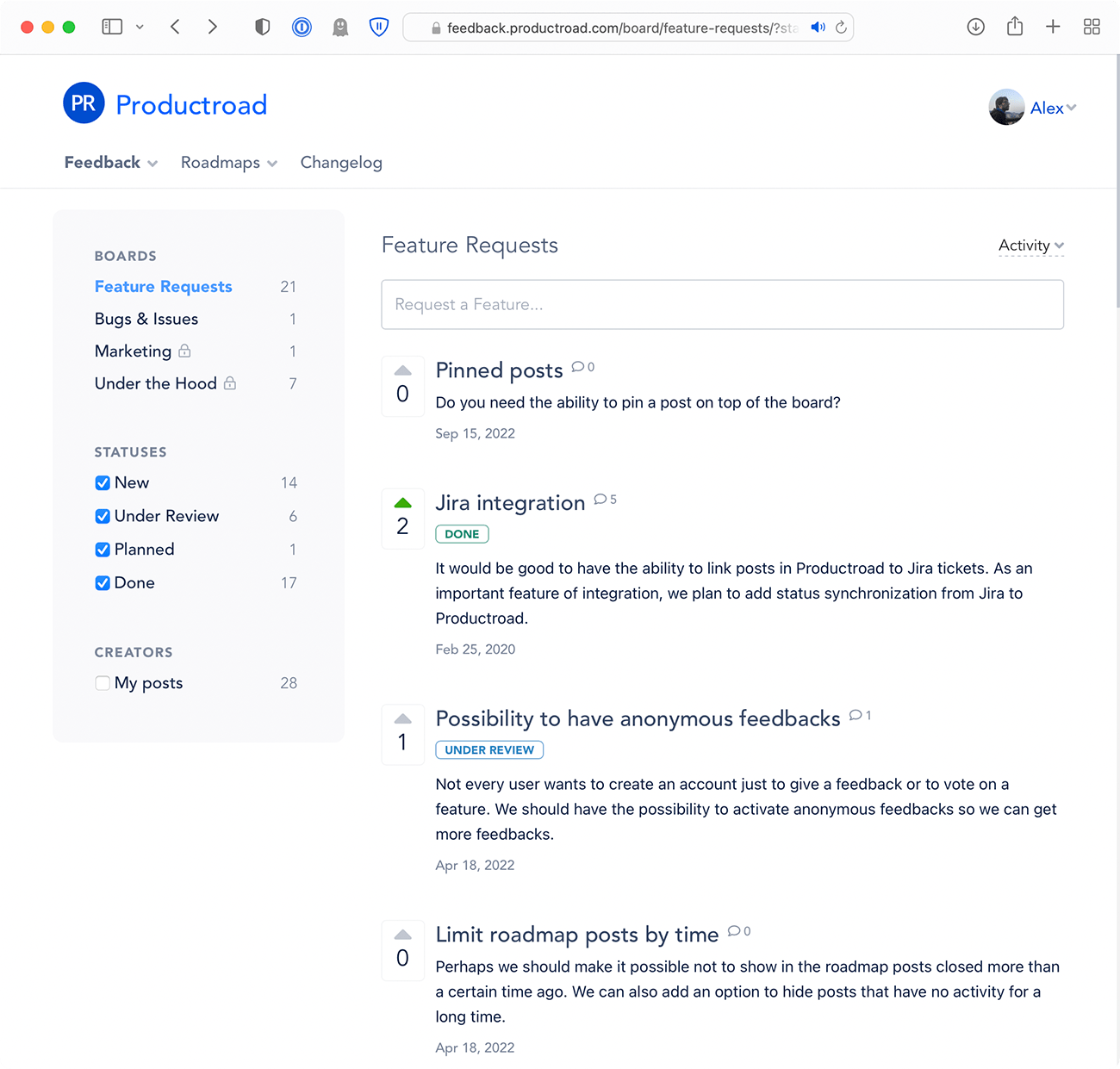
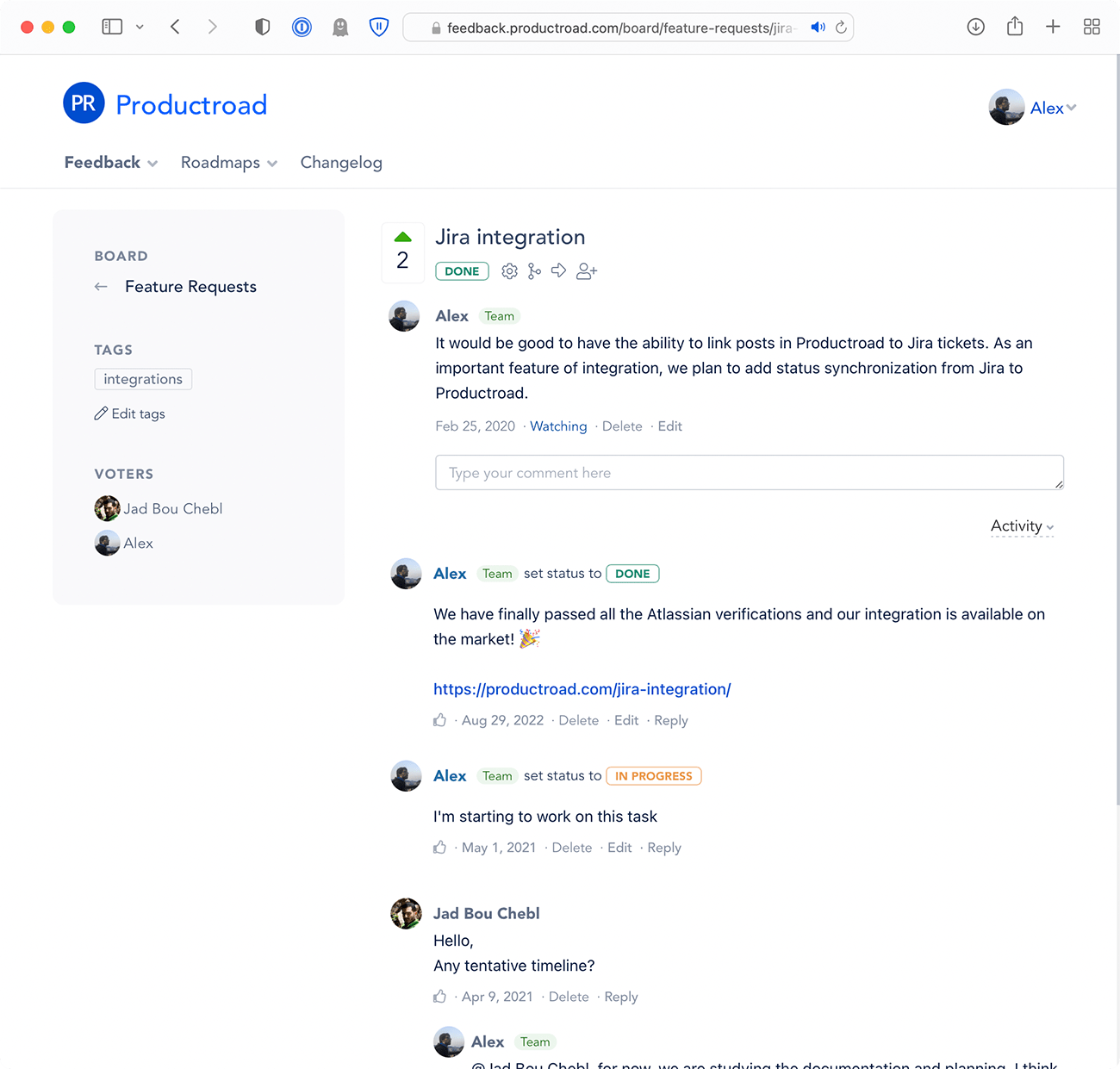
Customer-facing feature request template
Title: a short description of the problem or desired outcome. Context: what are you trying to accomplish? Current experience: what happens today? Impact: what becomes slow, risky, expensive, or impossible? Workaround: how do you handle it now? Desired outcome: what would success look like?
Optional evidence: screenshots, examples, frequency, affected teammates, or a link to the relevant workflow. Avoid requiring implementation details a customer cannot reasonably know.
Internal triage fields
Add source, customer or account, segment, related requests, theme or tag, evidence quality, strategic fit, owner, status, and next review date. Keep team-only reasoning separate from the customer's public words.
If a team member records feedback on behalf of a customer, preserve who raised it and where the conversation happened. Attribution makes follow-up and prioritization more reliable.
How to use the template well
Keep the submission form short enough to complete; the discussion can gather more detail. Search for duplicates before creation and merge requests that describe the same underlying job.
A template improves consistency but does not replace discovery. Follow up with affected users before committing, and communicate the decision through a status, roadmap update, or release note.